






Planning meals from pantry staples is a great way to simplify your cooking routine while making the most of ingredients you already have on hand. Whether you’re aiming to save money, reduce trips to the grocery store, or simply whip up meals quickly, knowing how to use your pantry efficiently can be a game-changer. In this post, we’ll guide you through practical steps to plan satisfying meals using everyday pantry items.
Why Plan Meals from Pantry Staples?
Pantry staples are non-perishable or long-lasting foods stored in your kitchen, such as canned goods, dried grains, pasta, and spices. Planning meals based on these ingredients offers several benefits:
– Convenience: Meals can be prepared without last-minute shopping.
– Cost savings: Using what you have minimizes food waste and extra purchases.
– Flexibility: A well-stocked pantry supports a variety of cuisines and dishes.
– Healthier choices: Homemade meals allow you to control ingredients and portion sizes.
Step 1: Take Stock of Your Pantry
Start by organizing and evaluating what’s in your pantry. This helps you identify key ingredients and prevents buying duplicates.
– Group similar items: Keep canned goods, grains, baking supplies, and spices in separate sections.
– Check expiration dates: Use or discard expired products.
– Make a list: Write down what you have, focusing on staples like rice, beans, canned tomatoes, broth, pasta, flour, and seasonings.
Step 2: Understand Your Pantry Staples
Knowing the types of staples you have will inspire meal ideas. Common pantry essentials include:
– Grains: Rice, quinoa, pasta, couscous, oats
– Legumes: Canned or dried beans, lentils, chickpeas
– Canned goods: Tomatoes, vegetables, tuna, broth
– Baking basics: Flour, sugar, baking powder, oils
– Nuts and seeds: Almonds, walnuts, chia seeds
– Spices and herbs: Salt, pepper, garlic powder, oregano, paprika
Step 3: Plan Balanced Meals
A balanced meal usually combines a protein, carbohydrate, and vegetables. Use pantry items to fulfill these roles:
– Protein: Beans, lentils, canned tuna or salmon, nuts
– Carbs: Rice, pasta, quinoa, potatoes (if stored properly)
– Veggies: Canned tomatoes, frozen vegetables, or fresh produce you may have
For example, a simple meal could be a spicy chickpea stew served over rice or a pasta dish with canned tomatoes and garlic.
Step 4: Get Inspired with Recipe Ideas
Here are some meal ideas built around common pantry staples:
1. One-Pot Pasta
– Ingredients: Pasta, canned tomatoes, garlic, olive oil, dried herbs
– Method: Cook pasta directly in the sauce made with canned tomatoes and seasonings for quick cleanup.
2. Lentil Soup
– Ingredients: Lentils, vegetable broth (canned or powdered), canned vegetables, spices
– Method: Simmer lentils with broth and veggies, flavored with herbs like thyme or bay leaves.
3. Rice and Beans Bowl
– Ingredients: Rice, canned beans, canned corn, salsa or canned tomatoes, spices
– Method: Combine rice and beans, season well, and top with salsa for a filling meal.
4. Tuna Salad
– Ingredients: Canned tuna, canned beans, olive oil, lemon juice, herbs
– Method: Mix tuna and beans with oil and lemon juice for a quick, protein-packed salad.
Step 5: Use Meal Planning Tools
To make your pantry-based meal plan even easier:
– Meal planning apps: Use apps where you can input pantry items and get recipe suggestions.
– Recipe collections: Bookmark or save online recipes organized by pantry ingredients.
– Weekly meal plan template: Outline meals for the week based on what you have to minimize waste.
Step 6: Supplement with Fresh Ingredients
While pantry staples form the base, adding fresh produce can brighten and diversify your dishes. Consider buying a few fresh veggies or herbs weekly, such as onions, garlic, carrots, or spinach, which pair well with pantry staples.
Tips to Keep Your Pantry Ready
– Restock essentials regularly: Keep track of running low items.
– Label and date: Help with organization and usage rotation.
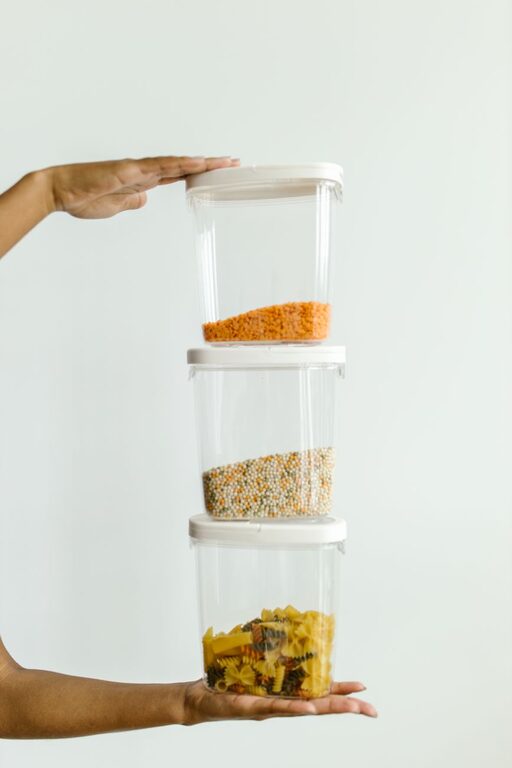
– Store properly: Use airtight containers for grains and nuts to prolong shelf life.
– Keep it visible: Store frequently used items at eye level and in clear containers if possible.
Final Thoughts
Planning meals from your pantry staples is a practical approach to cooking that saves time, reduces waste, and encourages creativity in the kitchen. By keeping an organized pantry and understanding how to combine staple ingredients, you can prepare tasty and nutritious meals with ease. Start today by taking stock of your pantry and trying a simple recipe using what you already have!