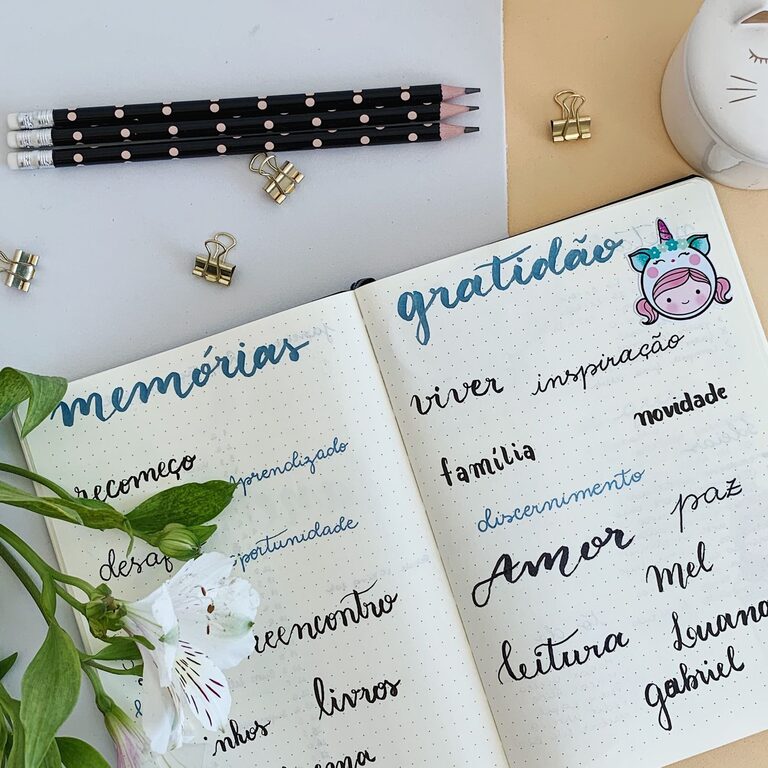









Journaling is a powerful tool that many people use to enhance their mental clarity and improve focus. By putting thoughts on paper, you can organize your ideas, reduce stress, and set clear intentions. If you’re new to journaling or want to make it more purposeful, this guide will walk you through practical steps to journal for clarity and focus.
Why Journal for Clarity and Focus?
Every day, our minds are filled with dozens, sometimes hundreds, of thoughts—ideas, worries, plans, and distractions. This mental clutter can make it hard to concentrate and make decisions. Journaling helps by:
– Externalizing thoughts: Writing thoughts down clears space in your mind.
– Prioritizing tasks: Seeing your goals and tasks on paper helps focus on what matters most.
– Reflecting on progress: Regular journaling can reveal patterns and insights.
– Reducing stress: Expressing emotions on paper can calm your mind.
Getting Started: What You’ll Need
Starting your journaling habit doesn’t require fancy tools. Here’s what can help:
– A notebook or journal: Choose one that feels comfortable and inviting.
– A pen or pencil: Something you enjoy using.
– A quiet space: Find a spot free from distractions.
– A consistent time: Whether morning or evening, set a routine.
Digital apps are also an option if you prefer typing to handwriting.
Step-by-Step Guide to Journaling for Clarity and Focus
1. Set Your Intention
Before you begin writing, take a moment to clarify why you’re journaling. Are you aiming to clear mental clutter? Set daily priorities? Understand your emotions? Setting an intention helps guide your entries.
2. Start with a Brain Dump
Begin each session by writing whatever is on your mind. Don’t worry about grammar or structure—just jot down thoughts as they come. This frees your mind and reveals what’s truly taking up space.
Example brain dump prompts:
– What’s currently occupying my thoughts?
– What worries or tasks do I have?
– What do I want to accomplish today or this week?
3. Organize and Prioritize
Review your brain dump and highlight important points or recurring themes. Use bullet points, numbers, or symbols to rank your thoughts. For example:
– Urgent tasks
– Long-term goals
– Personal reflections
This step transforms your free-flowing thoughts into actionable insights.
4. Use Focused Prompts
Focused journaling prompts help steer your writing toward clarity. Here are some effective prompts:
– What are the top three priorities I should focus on today?
– What distractions can I avoid to stay productive?
– How do I want to feel by the end of the day?
– What progress did I make toward my goals?
Answering these questions regularly can sharpen your focus.
5. Practice Gratitude and Positivity
Incorporate a section for gratitude or positive reflections. Noting what went well or what you appreciate sets a constructive tone and balances your perspective.
6. Reflect and Review
At the end of each week, take time to look back over your entries. Identify patterns, celebrate accomplishments, and adjust your goals accordingly. This reflection boosts self-awareness and continuous improvement.
Tips to Maintain Your Journaling Habit
– Keep it short and simple: Even 5–10 minutes daily is effective.
– Be honest: Your journal is for you, so write authentically.
– Don’t strive for perfection: Focus on progress, not perfect prose.
– Mix styles: Combine free writing with lists, drawings, or mind maps.
– Set reminders: Use alarms or calendar events to build routine.
Benefits Beyond Clarity and Focus
While journaling primarily enhances mental clarity and focus, it also supports:
– Emotional well-being
– Goal achievement
– Creative thinking
– Stress management
The more consistently you journal, the more benefits you’re likely to experience.
Final Thoughts
Journaling is a simple, accessible practice that anyone can adopt. By making it intentional and structured, you can turn journaling into a powerful ally for clear thinking and sustained focus. Start with small steps today, and watch as your mind becomes clearer and your days more productive.
Happy journaling!