








Journaling is a powerful and accessible way to connect with yourself, reflect on your experiences, and develop a daily habit that can improve your mental clarity and creativity. If you’re new to journaling or looking for ways to make it a consistent part of your life, this beginner guide will walk you through easy steps to start journaling every day.
Why Journal Every Day?
Before diving into how to journal daily, it’s helpful to understand the benefits:
– Improves self-awareness: Writing helps you understand your thoughts and feelings more clearly.
– Reduces stress: Putting your worries on paper can help reduce anxiety and organize your mind.
– Boosts creativity: Daily writing sparks creativity by encouraging new ideas.
– Tracks progress: Journals serve as a record of your personal growth and achievements.
– Enhances mindfulness: The act of journaling encourages you to be present and thoughtful.
Choosing Your Journaling Tools
One of the first steps is to pick the right tools for you. Consider these options:
– Traditional notebook: A simple, physical journal can be very satisfying to use. Choose a size and style that feels inviting.
– Digital apps: Platforms like Evernote, Day One, or even a simple word processor allow you to write anywhere.
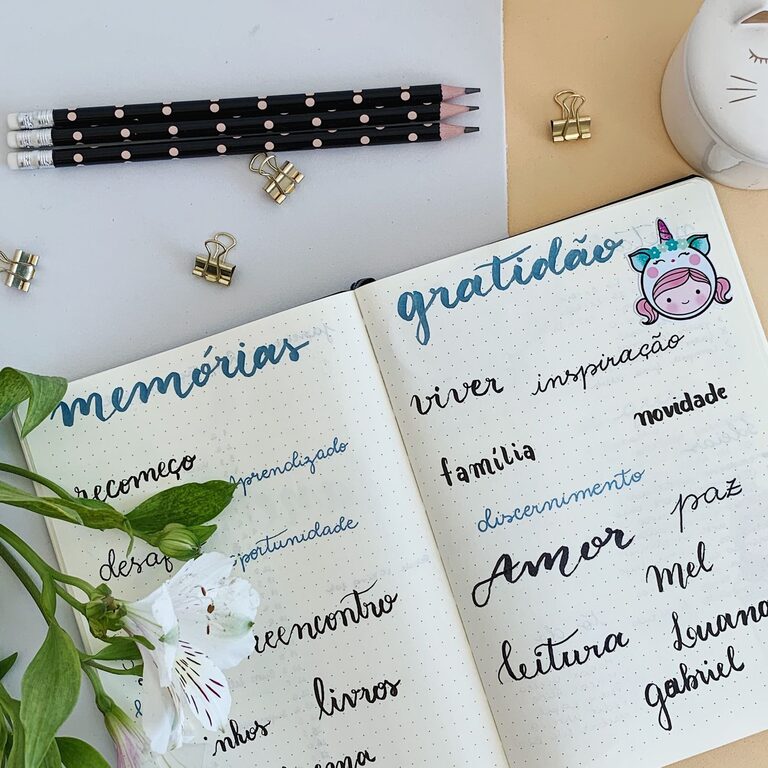
– Bullet journals: If you like structure, a bullet journal combines lists, planning, and journaling in one place.
– Voice journaling: For those who prefer speaking, apps that record voice notes can be converted to text later.
Choose what feels easiest to start with. You can always experiment later.
Setting Realistic Goals
Starting a journaling habit can be easier when you set small, manageable goals.
– Start small: Aim for 5 minutes or just a few sentences a day.
– Pick a consistent time: Many people find journaling works best in the morning or before bed.
– Use prompts: To spark your writing, use prompts like “What am I grateful for today?” or “What did I learn today?”
– Be flexible: It’s okay to miss a day or write less sometimes. The goal is progress, not perfection.
Creating a Routine
Having a routine helps turn journaling into a habit.
- **Choose your time and place:** Whether it’s at your desk, in bed, or with a cup of tea, find a comfortable spot.
- **Set a reminder:** Use your phone or calendar to remind yourself to journal.
- **Keep it accessible:** Keep your journal or device where it’s easy to reach.
- **Celebrate small wins:** Reward yourself for sticking with your routine, even for a week.
What to Write About
If you’re unsure what to write, here are some ideas to get started:
– Daily reflections: What happened today? How did it make you feel?
– Gratitude list: Write down things you’re thankful for.
– Goals and intentions: Outline your plans or intentions for the day or week.
– Challenges and solutions: Describe a challenge you faced and how you handled it.
– Creative writing: Try writing a poem, story, or describe a dream.
Tips for Staying Motivated
Keeping the journaling habit alive can be challenging. Here are some tips:
– Keep it private: Your journal is for you, so don’t worry about grammar or spelling.
– Mix it up: Use different styles—lists, drawings, letters, or quotes.
– Reflect on past entries: Periodically read old entries to see your progress.
– Share selectively: If you feel comfortable, share entries with a trusted friend or community for encouragement.
– Be kind to yourself: Journaling is a personal journey—there’s no right or wrong way.
Overcoming Common Obstacles
You might face a few common challenges when starting daily journaling:
– Lack of time: Even a few sentences count. Try micro-journaling during breaks.
– Writer’s block: Use prompts or write about your surroundings.
– Self-judgment: Remember your journal is a safe place without judgment.
– Losing motivation: Revisit why you started and adjust your goals if needed.
Journaling Styles to Explore
As you get comfortable, you might explore different journaling styles:
– Morning pages: Write three pages first thing in the morning without editing.
– Gratitude journals: Focus on positive aspects of your life.
– Bullet journaling: Combines planning and journaling in a structured way.
– Travel or dream journals: Capture your experiences or dreams in detail.
– Art journaling: Incorporate sketches, doodles, or collages alongside writing.
Final Thoughts
Journaling every day doesn’t have to feel like a chore. Start small, be consistent, and let your journal become a trusted companion. Over time, you’ll likely notice benefits like improved mood, sharper focus, and deeper self-understanding.
Ready to start? Grab your favorite journal or open your favorite app and write your first entry today! Remember, the best journal is the one you keep returning to. Happy journaling!