








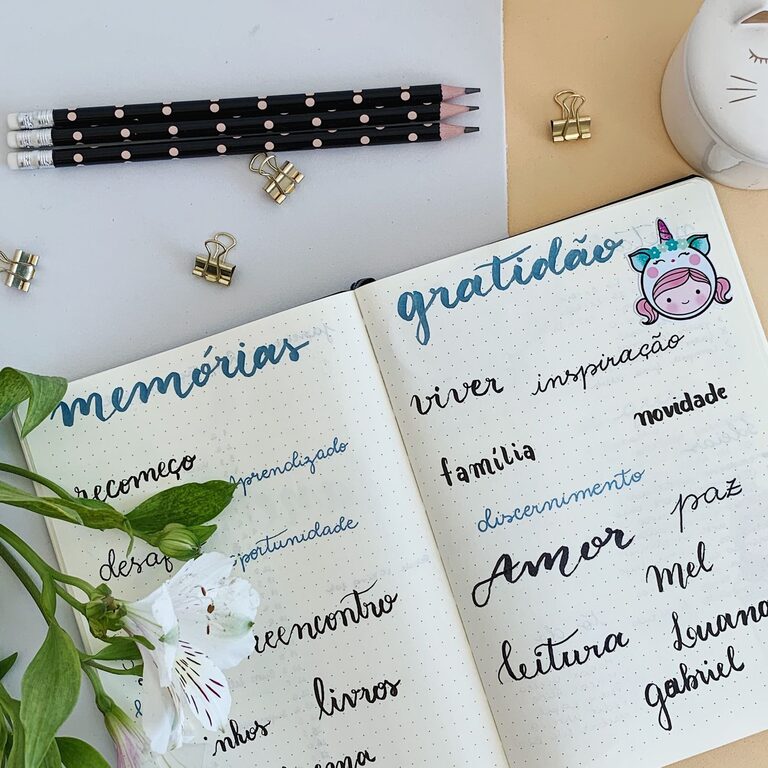
Starting a gratitude journal is a simple yet powerful way to improve your outlook on life. By regularly writing down things you’re thankful for, you can cultivate a positive mindset, reduce stress, and increase overall happiness. If you’ve never kept a gratitude journal before, don’t worry! This guide will walk you through everything you need to know to get started.
What Is a Gratitude Journal?
A gratitude journal is a personal diary where you record things you appreciate. These could be big or small—from a supportive friend to a beautiful sunset. The goal is to focus your attention on positive experiences and feelings, helping you feel more content and mindful throughout your day.
Why Keep a Gratitude Journal?
Many people find gratitude journaling helpful for several reasons:
– Increases positivity: Shifting your attention to what you value helps foster a hopeful and optimistic mindset.
– Reduces stress: Gratitude can lower stress levels by reminding you of good things despite challenges.
– Improves mental health: Regularly practicing gratitude may reduce symptoms of anxiety and depression.
– Enhances relationships: Recognizing kindness in others encourages stronger social connections.
– Promotes mindfulness: Writing about gratitude helps you stay present and appreciate the here and now.
How to Start a Gratitude Journal: Step-by-Step
1. Choose Your Journal Type
Decide whether you want a physical notebook or a digital option. Both have benefits:
– Physical journal: Writing by hand can make the practice feel more personal and intentional.
– Digital app: Convenient for quick entries on the go and can include reminders.
Pick whichever feels most natural for you.
2. Set a Regular Time
Consistency is key when forming new habits. Choose a time that works best—morning to start your day positively or evening to reflect before bed. Setting a specific time helps make gratitude journaling part of your routine.
3. Start Small
Don’t feel pressured to write long entries. Begin with listing 3 to 5 things you feel grateful for each day. These can be simple, like your morning coffee, a kind word, or a moment of laughter.
4. Be Specific
Instead of general statements like “I’m grateful for my family,” try to focus on particular moments. For example, “I’m grateful my sister called me today to check in.” Specificity deepens your appreciation and focus.
5. Mix It Up
To keep your journaling interesting, try different approaches:
– Write about people, experiences, or things you appreciate.
– Include why you’re thankful for them.
– Add small drawings or photos if you like.
– Use prompts such as “Today, I’m grateful for…”
6. Reflect on Challenges
Gratitude doesn’t mean ignoring difficulties. Sometimes, you can find gratitude even in tough times by noting lessons learned or personal growth.
7. Review Regularly
Every few weeks, skim through past entries. This can boost your mood and remind you of many good things you might have forgotten.
Tips for Staying Motivated
– Keep your journal visible: Place it somewhere you’ll see it daily.
– Set reminders: Use phone alerts or sticky notes as prompts.
– Share with a friend: Consider journaling together and exchanging insights.
– Be patient: It may take a while to notice changes, but consistency pays off.
– Celebrate progress: Appreciate the effort you’re putting into this positive habit.
Common Questions About Gratitude Journaling
Can I write more than once a day?
Yes! Some people enjoy morning and evening entries, but even a few times a week can be beneficial.
What if I have nothing to be grateful for?
Try looking for small things—like fresh air, a smile from a stranger, or a favorite song. Gratitude is about perspective, not perfection.
Should I keep my journal private?
Gratitude journals are usually personal, but you can share parts if it feels right. The important thing is that your entries are honest and meaningful to you.
Final Thoughts
Starting a gratitude journal doesn’t require special skills or lots of time. It’s about pausing to notice the good in your life, no matter how big or small. By following these simple steps, you can create a meaningful daily practice that supports your well-being and happiness.
Give it a try today—your future self will thank you!